Can Your Car Be Repossessed at Work?
Practical steps for a borrower when a vehicle is taken from an employer parking area, including documentation and personal-property recovery.
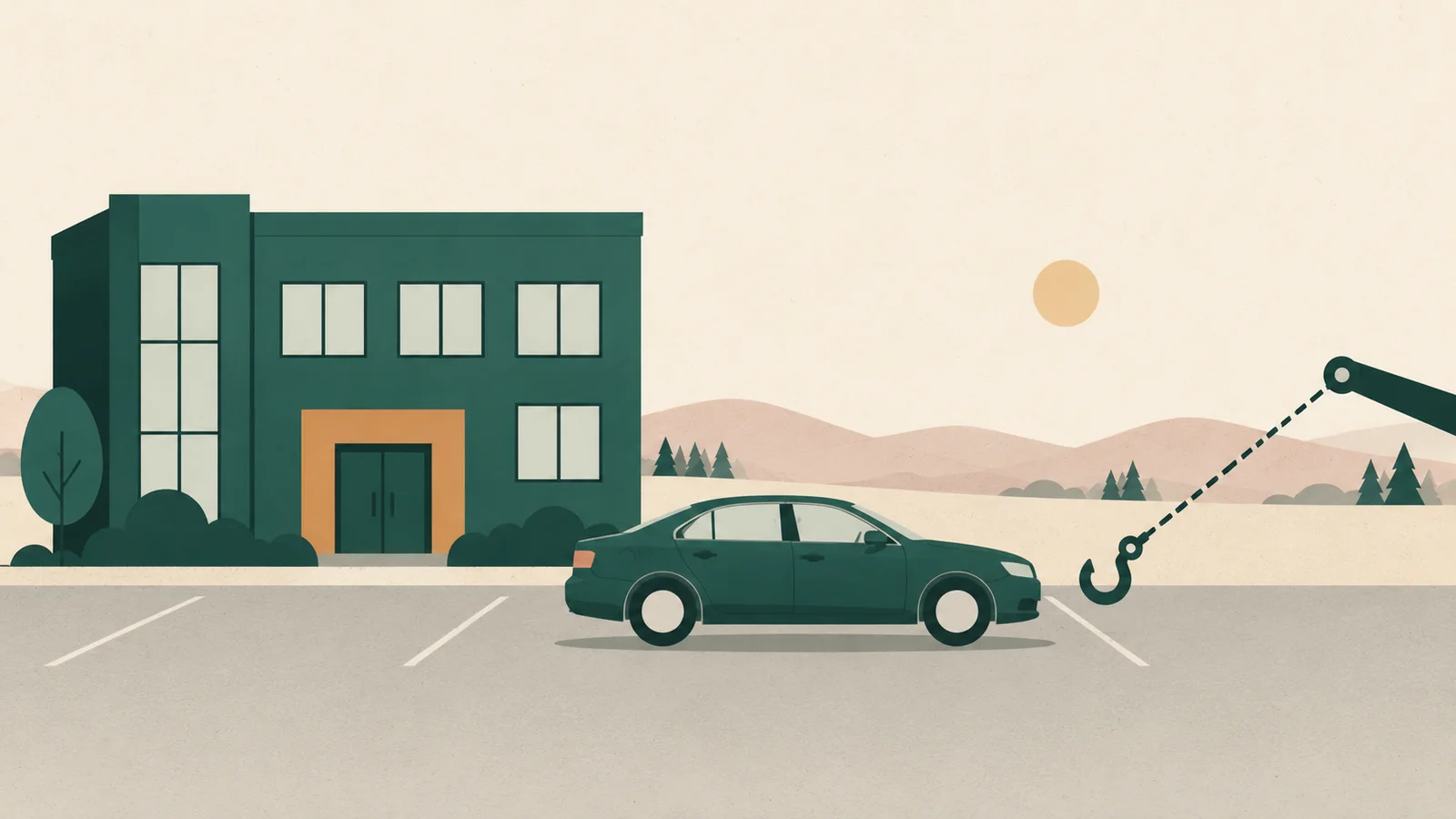
Practical steps for a borrower when a vehicle is taken from an employer parking area, including documentation and personal-property recovery. The fastest way to lose time is to ask every company to 'fix it' without naming the broken step. Name this one: what happened at the workplace and whether the taking created safety, access, or personal-property issues. Then use parking-location details, security footage, witness information, and repo records to test it.
Context for this type of case
Start with the contract definition of default and the account's actual payment history. A missed payment can create repossession risk quickly, but the presence and timing of notice, cure, or court process varies by state. For what happened at the workplace and whether the taking created safety, access, or personal-property issues, preserve any notice and written payment arrangement because the legal answer can change if the servicer promised an extension or posted a payment incorrectly.
If repossession appears imminent, contact the servicer promptly and ask what amount or action would stop recovery, then get any agreement in writing. Do not hide, damage, or transfer the vehicle to frustrate lawful recovery. If the car has already been taken, shift immediately to personal-property retrieval, sale timing, redemption/reinstatement options, and any servicing-error dispute. Keep this step open until parking-location details, security footage, witness information, and repo records supports what happened at the workplace and whether the taking created safety, access, or personal-property issues in writing.
Special federal protections can matter. The SCRA can require a court order before repossession of certain property for qualifying servicemembers when the obligation predates active duty and statutory conditions are met. Bankruptcy can also change the process. Those issues deserve prompt legal review rather than a generic repo checklist. That distinction matters because the central mismatch is still unresolved. The next step should produce evidence that lets you document the event and arrange property retrieval promptly.
CFPB guidance notes that many states allow repossession without warning or a court order after default, while other states provide notice or cure rights. That makes state-specific verification essential. At this checkpoint, use the written record before you document the event and arrange property retrieval promptly.
How to verify the rule you are relying on
Use sources in layers: the transaction documents show what happened; the lender or agency record shows what its system contains; the controlling statute/agency instruction explains the rule. Read the contract and state rules first. CFPB and FTC give reliable consumer-level federal guidance; UCC Article 9 supplies a widely adopted framework, but state enactments and case law control local details. That order reduces the chance of applying a true rule to the wrong facts.
What matters most
A servicer still has to make sure a repossession is lawful. Payment-posting errors, written extensions, bankruptcy issues, or special protections can change the analysis. If nothing changes, ask which specific transaction was rejected, missing, or never sent.
- Before the eventCheck the contract, account status, and any notice received.
- At the eventRecord what happened and preserve available documents.
- AfterwardRequest the written account, sale, or property information that applies.
- If records conflictCompare dates and amounts, then request a specific correction.
Questions that change the answer
The answer can change if the state, contract, notice, account status, or transaction date differs from what you assumed. Write those variables down. Company turnaround estimates belong in the timeline; legal deadlines must come from the controlling rule or notice. The useful finish line is the ability to escalate any force, damage, or mistaken repossession separately. Use the documents above to show whether this checkpoint has actually been reached.
A practical decision path
Turn the problem into decisions rather than calls. If you cannot mark the payment/default dates in the contract and account history, stop and resolve that first. Once you can, preserve that evidence set plus any extension or cure notice. If the records still conflict, get any new arrangement in writing. Only then should you if the vehicle was taken despite payment/extension, dispute the exact mismatch and ask about sale timing; the final verification is to escalate any force, damage, or mistaken repossession separately.
Example: trace the handoff
Assume timing suddenly matters because a buyer, auction, refinance, or new credit application is approaching. Put that external date at the top of the case log. Then attach the dated records, state exactly the underlying issue, and ask whether the responsible party can correct or pause the next event. Never assume a pause is automatic. Preserve the record that started the issue and the record that reflects the later result.
The article ties the answer to account status, contract terms, notices, and applicable state rules. Preserve the records and verify the specific process before relying on a general timeline or amount.
Mistakes that make the case harder
If someone proposes a fast fix, test it against four risks: assuming every state requires warning; relying on an unwritten extension; waiting until after sale to raise an error; confusing voluntary surrender with debt forgiveness. Ask which record the proposed fix will actually change.
Documents and numbers to preserve
The evidence packet should answer 'what happened, who acted, and what changed.' For this article that means preserving contract/payment history; notices and written extensions; payment receipts; recovery date/location/vendor; and servicer case records. A date-stamped chronology ties them together.
Escalate sooner if waiting could change the available remedy. Put the external deadline at the top of the request, attach the supporting file, and ask whether the next event can be held while the discrepancy is reviewed. Obtain any hold or extension in writing. Keep a before-and-after pair for this step rather than saving only the final screen.
A clean closeout leaves no important fact dependent on memory. Preserve the final record and the source evidence side by side so the same issue does not have to be reconstructed during a later sale, refinance, collection dispute, or ownership change. That leads to one concrete verification: verify the disputed point with those source records before treating the matter as resolved. Archive both the source event and the downstream record it was supposed to create.
What would change the answer?
Revisit the workflow if the condition you are trying to verify is not supported by the written evidence. In Can Your Car Be Repossessed at Work, verify special protections or written lender agreements before relying on a routine title or repossession workflow.
Final file check
Use Can Your Car Be Repossessed at Work as a one-page audit: what happened, what should have happened, what proves the difference, who can change it, and what record proves completion? The evidence should start with the records you gathered and end with escalate any force, damage, or mistaken repossession separately.
Keep the final accepted record for this guide outside any account portal that could later close or change access. Note the date you verified it. Save the response that closes this checkpoint with the rest of the vehicle file.
General information only: This is general information, not legal advice - consult a local attorney for your specific situation. State law, contracts, and agency procedures can change the answer.
Sources
- CFPB - What happens if my car is repossessed?
- FTC - Vehicle Repossession
- UCC § 9-609, Secured party's right to take possession after default
Sources are provided so you can verify the controlling public guidance. State forms, fees, addresses, and procedures can change.
Frequently asked questions
What should I put in my timeline first?
Start with parking-location details, security footage, witness information, and repo records. Identify the organization that controls the record that is wrong or missing, and ask for a written path to escalate any force, damage, or mistaken repossession separately.
Does a lender always have to warn me before repossession?
There is no single nationwide answer. CFPB notes that many states allow repossession after default without advance warning or a court order, while other states provide notice or cure protections. Check the contract and current state law.
What should I ask the servicer to confirm in writing?
The right contact is the organization that can change the disputed record. Ask each party what record it owns, what it received, what it sent, and what exact document or transaction is still missing.
What if a sale, transfer, or other deadline is approaching?
Company processing estimates are not automatically legal deadlines, and vehicle-title and repossession rules can vary by state. Verify deadlines in the contract, official notice, current state source, or controlling law before relying on them.
When is a written denial more useful than another phone call?
Escalate when reliable documents still conflict, an irreversible event is approaching, or the answer turns on disputed ownership or state-law rights. Preserve the record and consider local counsel when routine processing cannot resolve what happened at the workplace and whether the taking created safety, access, or personal-property issues.